At some point during adulthood, everyone quietly starts asking the same question:
“Why am I THIS tired all the time?”
Not dramatic tired.
Not:
- “I stayed up too late” tired
- “I skipped coffee” tired
- “I had a busy week” tired
We’re talking about:
- soul tired
- brain tired
- emotionally crispy tired
- mentally overloaded tired
- “why does answering one email feel impossible?” tired
And the weirdest part?
Almost everybody feels this way now.
Every conversation somehow includes:
- “I’m exhausted.”
- “I’m burned out.”
- “I can’t keep up.”
- “I need a vacation from my own life.”
- “I’m tired even after resting.”
Modern adulthood has created an entire generation of people functioning on:
- caffeine
- anxiety
- calendar reminders
- emotional support beverages
- survival mode
- and tiny moments of dissociation in grocery store parking lots.
And honestly?
This exhaustion is not imaginary.
Modern life is genuinely overwhelming.
So let’s talk about why every adult feels exhausted all the time.
Because the answer is much bigger than:
“just get more sleep.”
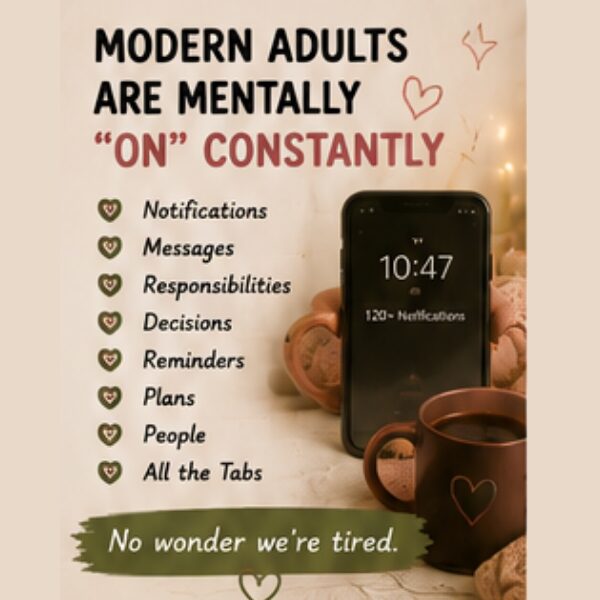
Modern Adults Are Mentally “On” Constantly
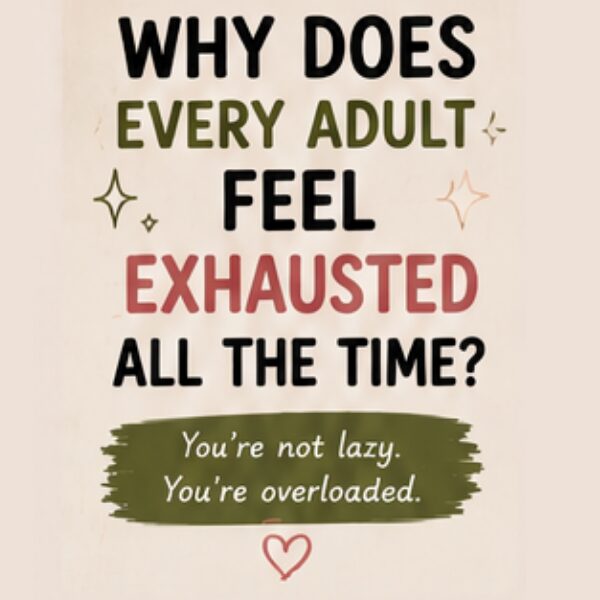
One of the biggest reasons adults feel exhausted now is:
our brains never fully power down anymore.
Ever.
Even when you’re technically resting, your brain is still:
- remembering things
- tracking responsibilities
- anticipating problems
- processing notifications
- planning tomorrow
- replaying conversations
- managing unfinished tasks
- emotionally buffering stress
Your nervous system rarely gets true silence.
That matters.
We Are Reachable All the Time
Modern adults are expected to be:
- available
- responsive
- productive
- informed
- emotionally regulated
- socially present
- digitally connected
constantly.
At all times.
Phones removed the natural stopping points humans used to have.
Now work follows people home.
Messages follow people everywhere.
Notifications interrupt every moment of stillness.
And even when nobody is actively contacting you?
Your brain knows they COULD.
That low-level anticipatory stress is exhausting.
Notifications Quietly Drain Mental Energy
Every:
- ping
- buzz
- alert
- reminder
- email notification
- breaking news headline
pulls your attention away from rest.
Your brain constantly shifts between tasks now.
And frequent task-switching increases:
- stress
- cognitive fatigue
- mental clutter
- emotional overwhelm
Humans were not designed for:
continuous interruption.
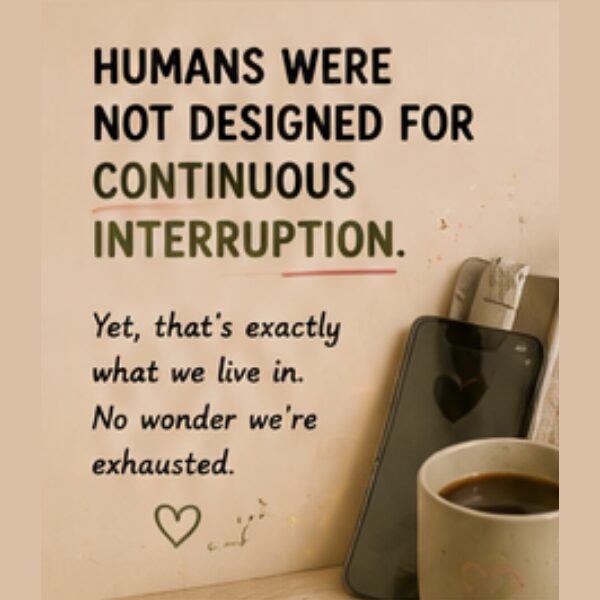
Yet modern life normalizes it.
Decision Fatigue Is Destroying Everyone Quietly
Adults make thousands of decisions every single day.
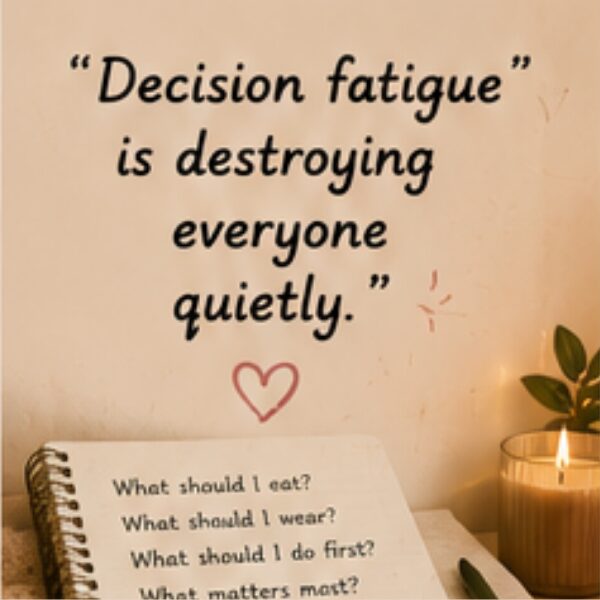
And most of them are tiny.
Which sounds harmless until your brain has processed approximately:
47 million micro-decisions before lunch.
Examples:
- what to wear
- what to eat
- what to respond to first
- whether to spend money
- what task matters most
- whether there’s enough gas in the car
- whether you forgot something important
- what groceries are running low
- whether that weird noise is serious
- if you remembered to pay that bill
And that’s BEFORE:
- work stress
- emotional stress
- relationships
- finances
- errands
- household management
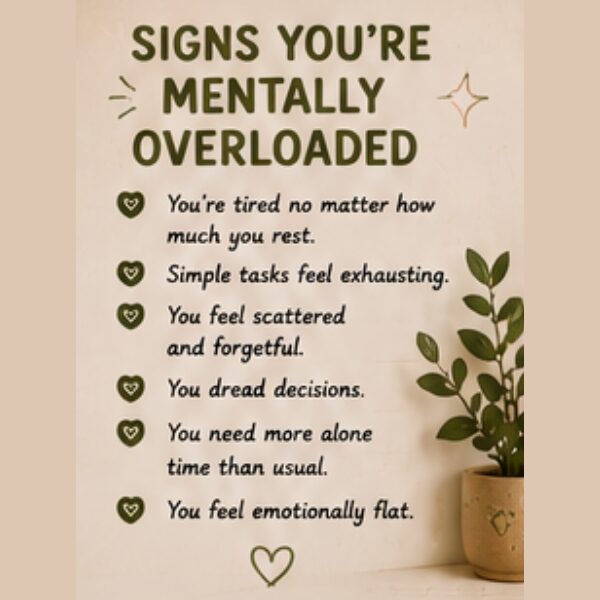
Your brain gets tired from constant evaluation.
Why Simple Tasks Suddenly Feel Huge
This is why adults sometimes stare at:
- texts
- emails
- dishes
- laundry
- appointments
like they’re emotionally impossible.
Not because the tasks are objectively hard.
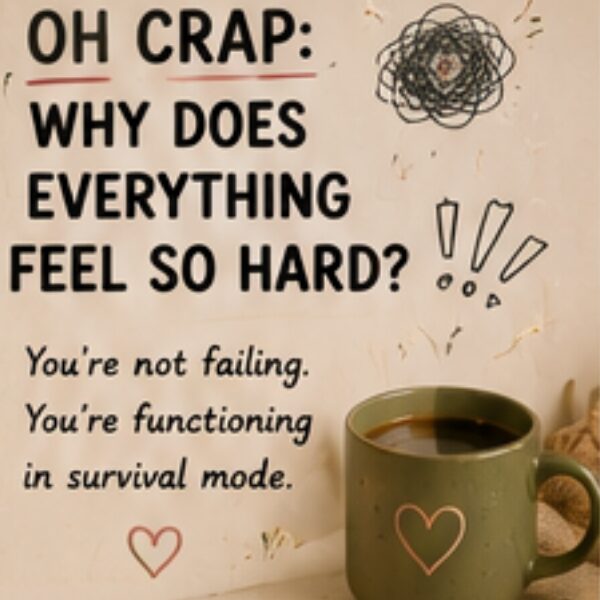
But because your mental bandwidth is already overloaded.
Small tasks become overwhelming when your nervous system is depleted.
And honestly?
Most adults are mentally overloaded ALL the time now.
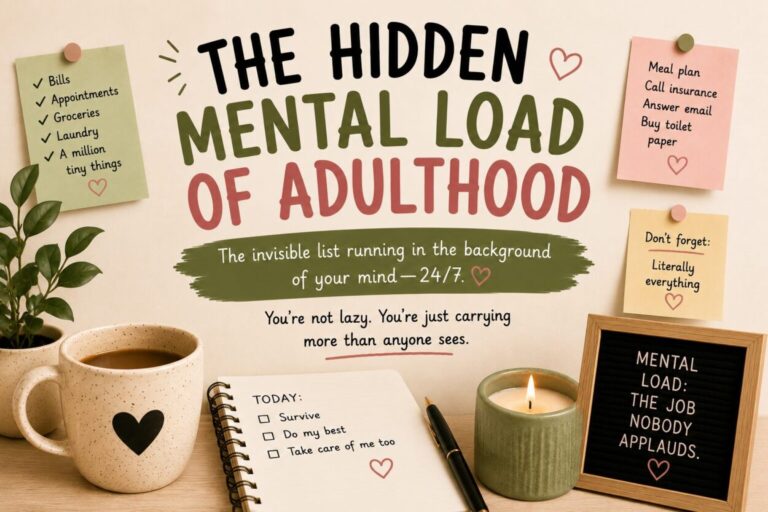
The Invisible Labor of Adulthood Never Stops
This is one of the least acknowledged forms of exhaustion.
Adults are not only physically doing tasks.
They are mentally carrying them constantly.
That invisible tracking system never shuts off.
The Adult Brain Is Basically 74 Open Tabs
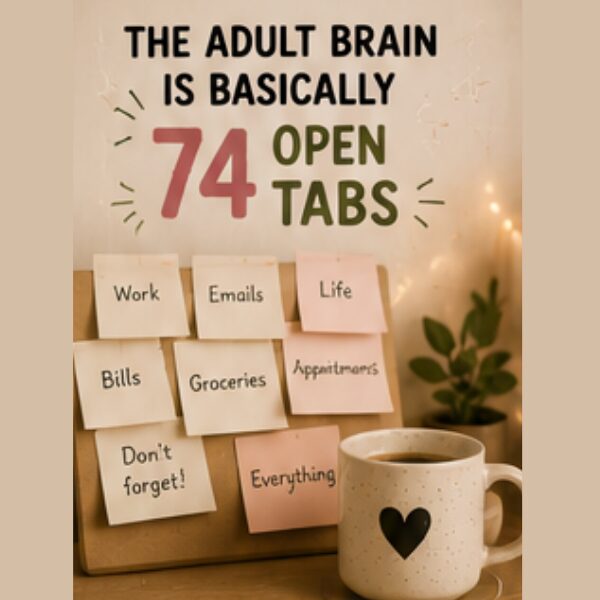
At any given moment adults are mentally tracking:
- appointments
- groceries
- bills
- birthdays
- maintenance
- laundry
- dishes
- finances
- deadlines
- social obligations
- errands
- health concerns
- scheduling
- emotional labor
- future planning
And most of it exists silently in the background.
Which means even during “rest,” your brain is often still processing:
unfinished responsibilities.
That constant background processing is exhausting.
Remembering Things Is Labor Too
People often underestimate how tiring it is to simply:
remember everything.
Examples:
- remembering to refill prescriptions
- remembering appointments
- remembering forms
- remembering household supplies
- remembering birthdays
- remembering maintenance schedules
- remembering to answer messages
The mental energy required to manage life admin is enormous.
Especially when life gets busy.
Especially when someone is burned out.
Especially when someone has ADHD.
Especially when someone is emotionally overwhelmed.
Burnout Is More Common Than People Realize
A lot of adults think burnout only happens when someone:
- completely crashes
- quits their job
- has a breakdown
- cannot function at all
But chronic low-level burnout is EXTREMELY common.
Many adults are functioning while:
- emotionally exhausted
- mentally depleted
- overstimulated
- disconnected
- running on survival mode
And because they are still technically “functioning”…
nobody notices.
Burnout Changes How Your Brain Functions
Burnout impacts:
- focus
- memory
- motivation
- emotional regulation
- concentration
- task initiation
- decision-making
Which explains why:
- emails feel harder
- chores feel heavier
- simple tasks feel impossible
- people become emotionally reactive
- exhaustion never fully leaves
Your nervous system is overloaded.
Not broken.
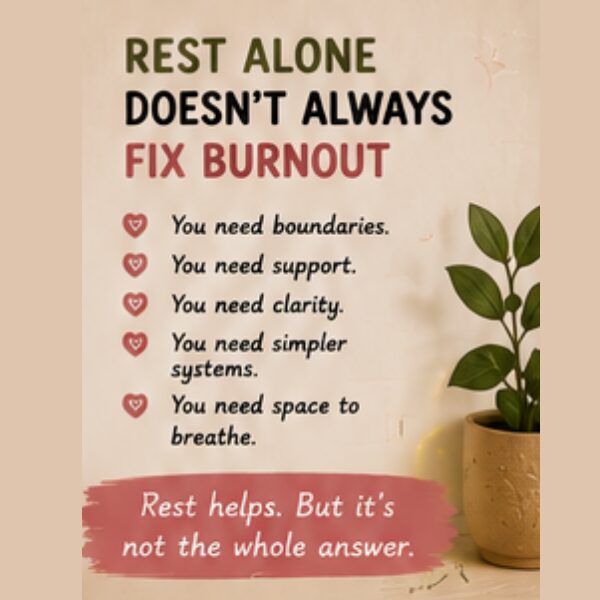
Rest Alone Doesn’t Always Fix Burnout
This part surprises people.
Sometimes adults rest physically…
while remaining mentally overloaded.
Meaning:
- your body is sitting still
BUT - your brain is still processing stress.
True recovery often requires:
- emotional decompression
- reduced pressure
- nervous system regulation
- boundaries
- lower stimulation
- actual mental rest
Not just:
lying in bed while doomscrolling.
Financial Stress Is Emotionally Exhausting
Modern adulthood is financially overwhelming for many people.
And financial stress creates:
constant background anxiety.
Adults are trying to manage:
- rent
- groceries
- healthcare
- emergencies
- insurance
- debt
- rising costs
- unstable economies
while simultaneously being told:
- to save more
- spend less
- optimize constantly
- build wealth
- never fall behind
That pressure accumulates.
Survival Stress Drains Mental Energy
When humans feel financially unsafe,
the nervous system stays alert.
Because uncertainty creates stress.
And chronic stress is exhausting.
Which explains why many adults feel tired even when:
- they technically slept enough
- they didn’t “do much” physically
- they stayed home all day
Mental stress still consumes energy.
A LOT of it.
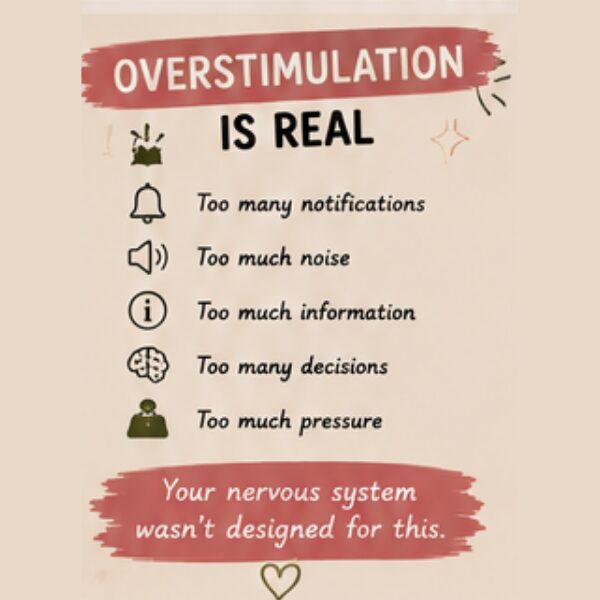
Overstimulation Is Becoming Normalized
Modern life bombards humans constantly.
At any moment adults are absorbing:
- advertisements
- sounds
- screens
- notifications
- social media
- conversations
- news
- visual clutter
- emotional content
- information overload
The human nervous system was never designed for:
this much constant input.
Social Media Creates Emotional Exhaustion Too
People underestimate how emotionally draining social media can be.
Even passive scrolling exposes the brain to:
- comparison
- outrage
- sadness
- productivity pressure
- fear
- bad news
- emotional whiplash
Within minutes people consume:
- someone’s engagement
- global tragedy
- cleaning hacks
- political conflict
- vacation photos
- burnout memes
- skincare routines
- financial panic
all in one scroll session.
That level of emotional switching is exhausting.
Adults Are Expected to Function Like Machines
Modern culture treats humans like productivity systems instead of:
actual living organisms.
People are expected to:
- work efficiently
- stay positive
- stay motivated
- respond quickly
- optimize constantly
- improve endlessly
- keep producing
regardless of:
- stress
- grief
- exhaustion
- mental health
- emotional overload
- burnout
And eventually?
People become deeply tired.
Rest Feels “Unproductive” Now
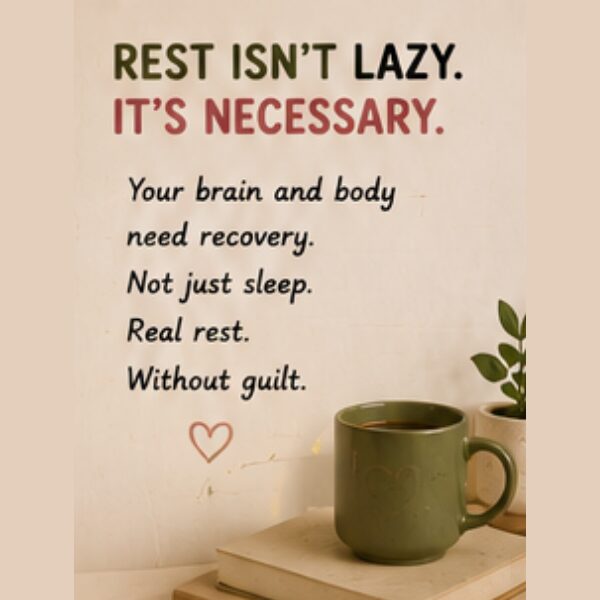
Many adults struggle to rest WITHOUT guilt.
Even during downtime people think:
- “I should be doing something.”
- “I’m falling behind.”
- “I’m wasting time.”
- “I need to be productive.”
Which means many adults never experience:
fully restorative rest.
Their nervous systems remain activated.
Even during supposed recovery time.
Tiny Systems Help Reduce Exhaustion
This is where supportive systems matter.
Because modern adults cannot rely on:
willpower alone.
The goal is not becoming:
perfectly productive.
The goal is:
reducing unnecessary mental strain.
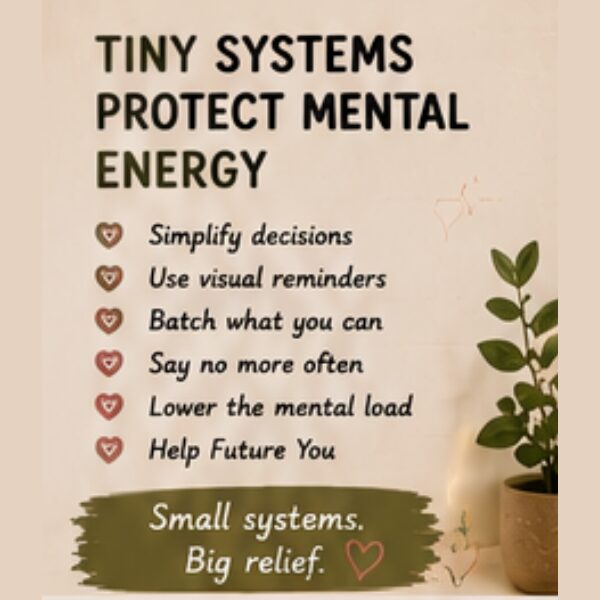
Tiny Systems That Actually Help
Examples:
- visual reminders
- automated payments
- repeating routines
- reducing decisions
- meal repetition
- keeping essentials visible
- prepping things early
- lowering expectations during hard weeks
- simplifying systems

Tiny reductions in friction save enormous amounts of mental energy over time.
“Good Enough” Is a Survival Skill
Perfectionism exhausts people.
Especially overwhelmed adults.
Sometimes:
- partially done
- loosely organized
- minimally functional
- emotionally sustainable
is enough.
And honestly?
That mindset protects nervous systems FAR better than:
constant self-pressure.
Why Adults Feel Tired Even After Resting
Because exhaustion is no longer just:
physical.
It’s:
- emotional exhaustion
- cognitive exhaustion
- nervous system exhaustion
- social exhaustion
- financial exhaustion
- decision fatigue
- burnout
- overstimulation
Humans are carrying enormous invisible weight.
And most people are trying to do it while pretending they’re fine.
You Are Probably Carrying More Than You Realize
If basic life feels unusually heavy right now,
that does not automatically mean:
- you’re lazy
- weak
- failing
- bad at adulthood
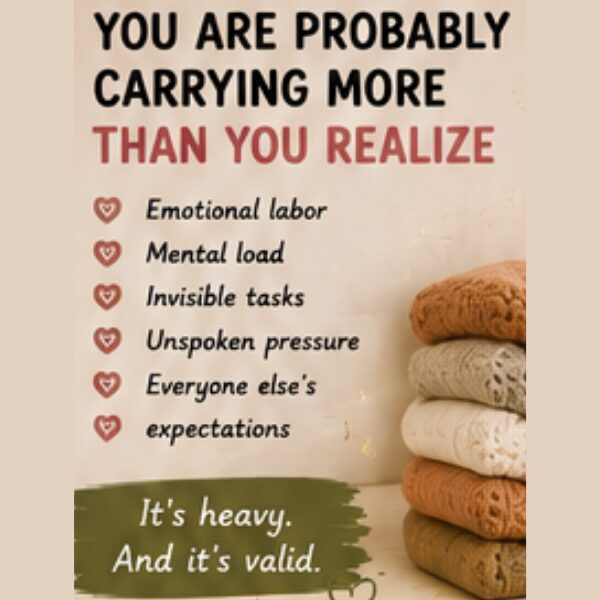
You may simply be:
- mentally overloaded
- emotionally exhausted
- overstimulated
- burned out
- carrying too much for too long
That distinction matters.
A LOT.

Final Thoughts
If you’ve been wondering:
“Why am I so exhausted all the time?”
The answer is probably not:
that you’re failing adulthood.
The answer is likely:
modern adulthood is genuinely overwhelming.
Humans are trying to survive:
- nonstop stimulation
- endless responsibilities
- emotional overload
- financial stress
- productivity pressure
- constant accessibility
- invisible mental labor
while still functioning normally.
That is hard.
So here’s your reminder:
You are allowed to:
- rest
- lower the bar sometimes
- simplify systems
- reduce stimulation
- say no
- need recovery
- stop optimizing everything
- survive before thriving
Because adulthood is not supposed to feel like:
a nonstop performance review.
And exhaustion is not a moral failure.
Sometimes it’s simply:
a nervous system asking for support.
Related Survival Guides
- The Emotional Support Systems Adults Secretly Need
- The Invisible Mental Load of Adulthood
- Burnout Makes Basic Tasks Feel Impossible
- Why Simple Tasks Feel So Hard Sometimes
- Tiny Systems That Save Mental Energy
- Soft Routines for Overwhelmed Adults
- Rest Is Productive Actually
- The Psychological Importance of Little Treats
- Realistic Systems for Overwhelmed Humans
- It’s About Building a Life Your Nervous System Can Survive Inside
Burnout-Friendly Support Tools
Trying to reduce mental exhaustion and survive adulthood a little more gently?
Explore:
- mental load planners
- burnout recovery systems
- low-energy routines
- nervous system support tools
- realistic planning systems
- life admin trackers
- decompression printables
Because honestly?
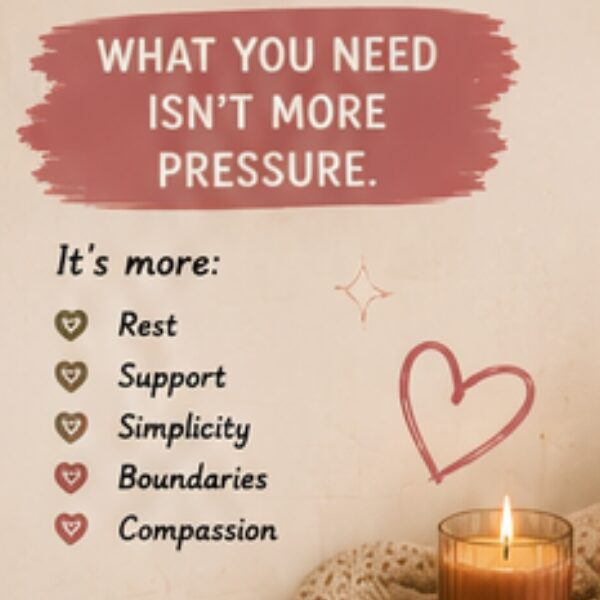
Most adults don’t need more pressure.
They need more breathing room.