One of the most exhausting parts of adulthood is that your brain is never fully “off.”
Even when you’re technically resting.
Even when you’re sitting still.
Even when nothing dramatic is actively happening.
Your brain is still quietly running background tabs like:
- Did I pay that bill?
- We’re almost out of laundry detergent.
- I need to answer that text.
- The towels need washed.
- I should schedule that appointment.
- Why is the fridge making that sound?
- What are we eating tomorrow?
- I forgot to switch the laundry again.
- I need to call insurance.
- Did I ever respond to that email?
- I should probably drink water.
And somehow:
all of those tiny thoughts pile together until your nervous system feels like:
an overheated laptop with 47 tabs open.
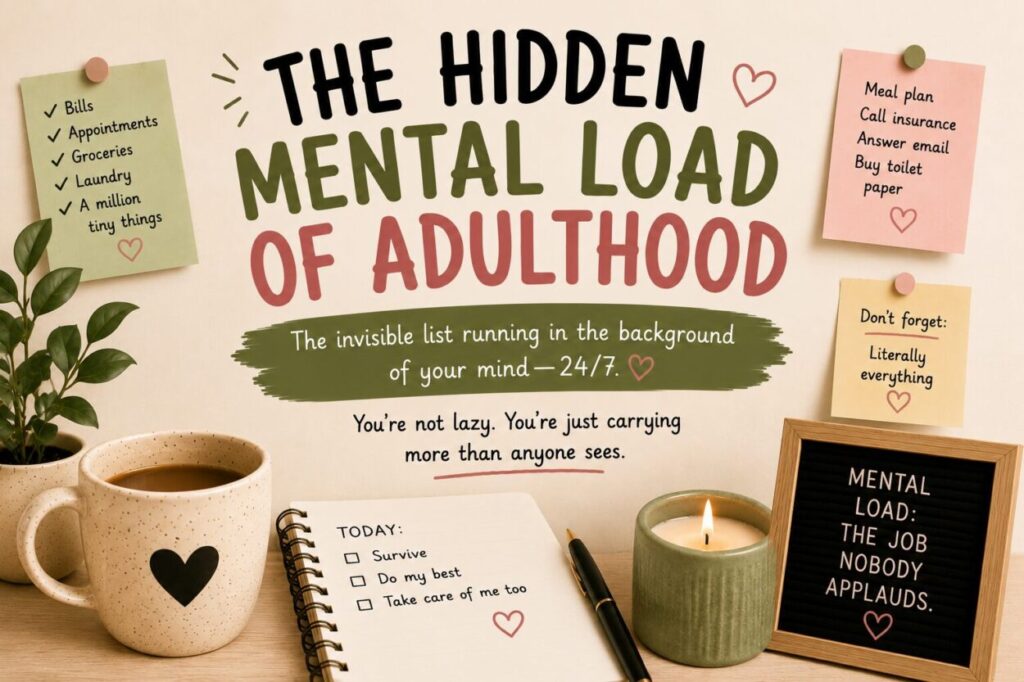
That’s the hidden mental load of adulthood.
The invisible list constantly running in the background.
And honestly?
Most people are carrying far more than they realize.
The Adult Brain Is Never Fully Quiet
Modern adulthood requires humans to:
remember,
manage,
track,
anticipate,
and mentally organize
an absurd number of things simultaneously.
Not just:
big responsibilities.
Tiny ones too.
And weirdly?
The tiny ones are often what break people emotionally.
Because adulthood is not usually destroyed by:
one massive event.
It’s slowly drained by:
- unfinished tasks
- mental reminders
- invisible responsibilities
- decision fatigue
- constant interruptions
- emotional buffering
until your brain quietly starts overheating.
The “I’ll Remember Later” Lie
Adults constantly tell themselves:
“I’ll remember that later.”
Meanwhile your brain is already carrying:
- passwords
- birthdays
- grocery inventory
- household supplies
- appointments
- subscriptions
- due dates
- laundry cycles
- emotional obligations
And eventually your brain responds with:
absolutely not.
Which is why adults suddenly forget:
- why they walked into a room
- whether they paid a bill
- where they set their phone
- what day it is emotionally
Your brain is overloaded.
Not broken.
Invisible Tasks Still Consume Mental Energy
One of the hardest parts of adulthood is:
the invisible labor.
The tasks nobody sees.
The things constantly living in the background of your mind.
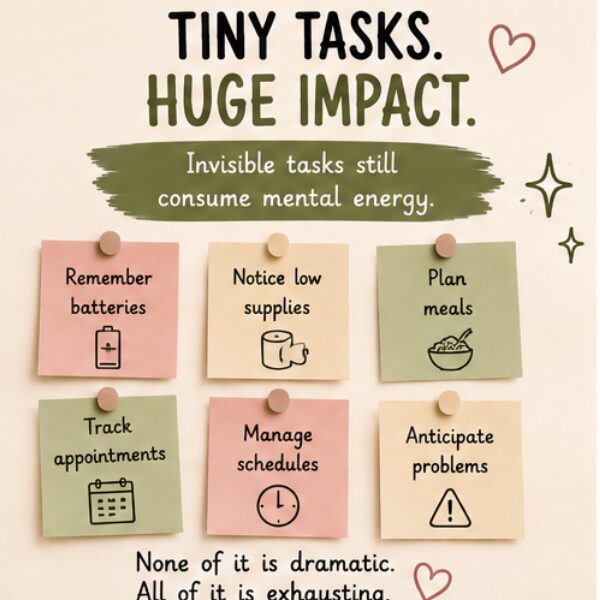
Examples:
- remembering batteries
- noticing toilet paper is low
- replacing soap
- checking expiration dates
- planning meals
- remembering birthdays
- tracking appointments
- managing schedules
- coordinating life logistics
None of these tasks seem:
huge individually.
But together?
They quietly consume enormous mental energy.
Adults Become Household Project Managers
At some point adulthood turns people into:
full-time coordinators of tiny problems.
You’re constantly:
- tracking supplies
- planning ahead
- preventing future inconvenience
- remembering maintenance
- mentally organizing unfinished tasks
And honestly?
That level of constant awareness is exhausting.
Especially because most of it goes:
completely unnoticed.
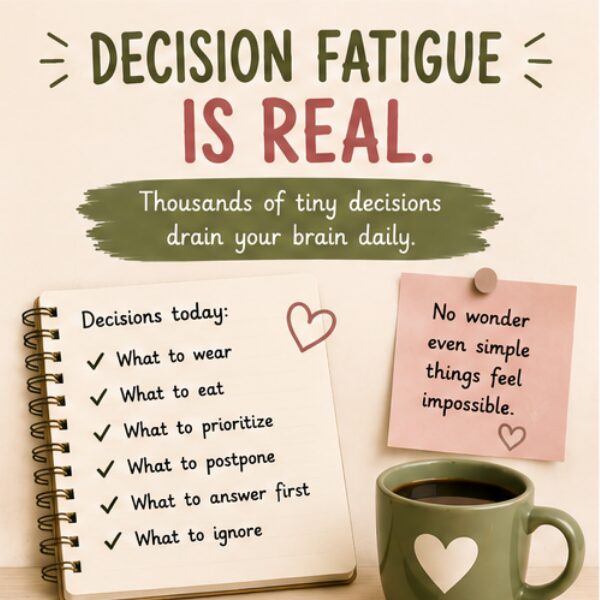
Decision Fatigue Is Destroying Everyone Quietly
Modern adults make:
thousands of tiny decisions every day.
What to wear.
What to eat.
What to prioritize.
What to answer first.
What to postpone.
What to remember.
What to ignore.
Your brain is constantly evaluating:
- urgency
- timing
- importance
- consequences
- emotional energy
And eventually your brain gets tired.
Why Tiny Decisions Suddenly Feel Impossible
This is why overwhelmed adults sometimes stare at:
- a fridge
- an email
- a laundry pile
- a text message
like it’s an advanced calculus problem.
Not because the task is:
objectively difficult.
Because your brain has already processed:
too many decisions.
Decision fatigue makes tiny tasks feel:
emotionally heavier than they should.
Notifications Quietly Drain Your Nervous System
Modern humans are interrupted constantly.
Texts.
Emails.
Notifications.
Reminders.
Alerts.
Ads.
Updates.
Apps demanding attention every 14 seconds.
Your nervous system rarely gets:
true silence anymore.
Constant Accessibility Is Exhausting
At any moment:
someone can:
- text you
- email you
- call you
- DM you
- assign work
- request emotional labor
- ask for information
- expect immediate responses
And over time?
That constant accessibility creates:
background tension.
Your brain never fully relaxes because it’s always anticipating:
another interruption.
Overstimulation Is Becoming Normalized
Modern adulthood contains:
an overwhelming amount of:
- noise
- clutter
- information
- decisions
- visual input
- emotional processing
- digital stimulation
And many adults are so used to it that they don’t even realize:
their nervous systems are overloaded.
The Brain Was Not Designed for This Much Input
Humans were not designed to process:
- nonstop notifications
- endless scrolling
- constant comparison
- perpetual accessibility
- infinite information
all day every day.
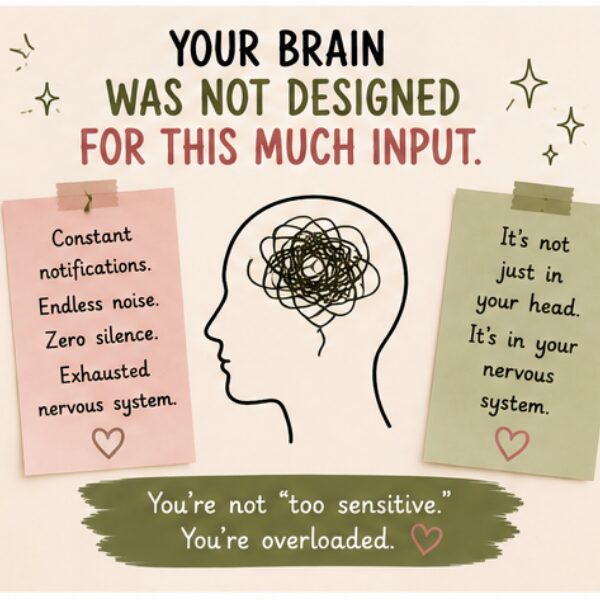
Yet modern life requires exactly that.
And honestly?
It’s mentally exhausting.
The Mental Load Makes Rest Feel Incomplete
One of the weirdest parts of adulthood is:
physically resting
while mentally continuing to work.
You can technically be:
- sitting down
- watching TV
- laying in bed
while your brain is still actively processing:
- tomorrow’s responsibilities
- unfinished tasks
- future stress
- random worries
- invisible to-do lists
Which is why so many adults say:
“I rested but I still feel tired.”
Because your nervous system never fully stopped running.
Rest Alone Doesn’t Always Fix Burnout
Sometimes people don’t just need:
sleep.
They need:
- reduced pressure
- fewer mental tabs
- emotional safety
- support systems
- quieter environments
- less responsibility
- less stimulation
- more breathing room
Burnout is not always:
a sleep problem.
Sometimes it’s:
a chronic overload problem.
Adults Are Carrying Emotional Labor Too
Mental load is not just:
tasks.
It’s also:
emotional management.
Adults constantly manage:
- social dynamics
- emotional expectations
- family relationships
- workplace interactions
- conflict avoidance
- emotional regulation
- other people’s comfort
while simultaneously trying to:
keep themselves functional.
That’s exhausting.
Many Adults Feel Responsible for Everyone
A lot of adults quietly feel responsible for:
- remembering everything
- fixing problems
- managing emotions
- maintaining harmony
- carrying invisible organization
And over time?
That emotional responsibility becomes:
heavy.
Especially when nobody notices how much you’re carrying.
Clutter Creates Mental Noise
This part matters more than people realize.
Visual clutter creates:
mental friction.
Not because people are lazy.
Because unfinished visual information constantly signals:
“There’s more to manage.”
Examples:
- laundry piles
- unopened mail
- cluttered counters
- unfinished projects
- random objects without homes
Your brain continues processing those things passively.
Which quietly drains energy.
Tiny Resets Matter
This is why tiny systems help so much.
Not because people need:
perfect homes.
But because reducing visual chaos can reduce:
mental strain.
Sometimes:
- clearing a counter
- unloading dishes
- putting laundry away
- making the bed
creates emotional relief disproportionate to the task itself.
Because your nervous system finally receives:
less visual stress.
The Mental Load Explains Why Adults Feel “Lazy”
A lot of adults are not:
lazy.
They are:
mentally overloaded.
There’s a difference.
When your nervous system is carrying:
- constant decisions
- emotional labor
- unfinished tasks
- overstimulation
- financial pressure
- invisible responsibilities
basic functioning becomes harder.
Not because you’re weak.
Because your brain is exhausted.
Burnout Changes Motivation
Burnout often looks like:
- procrastination
- avoidance
- emotional numbness
- forgetfulness
- low energy
- reduced focus
- struggling with simple tasks
And many adults shame themselves for this.
Instead of recognizing:
their nervous systems are overloaded.
Tiny Systems Protect Mental Energy
This is why small systems matter so much.
Not because people need:
perfect productivity routines.
But because systems reduce:
mental friction.
Examples:
- visual reminders
- repeating meals
- calendar alerts
- simplified routines
- prep systems
- easy defaults
- reducing unnecessary decisions
Tiny systems protect:
limited mental energy.
Functionality Matters More Than Perfection
A system does NOT need to:
- look aesthetic
- function flawlessly
- impress strangers online
If it helps your nervous system survive modern life more gently:
it matters.
That’s enough.
Most Adults Feel More Overwhelmed Than They Admit
This is important.
A lot of adults quietly feel:
- behind
- mentally cluttered
- overstimulated
- emotionally exhausted
- incapable of keeping up
But many people hide it because they assume:
everyone else is handling adulthood better.
They’re not.
Most adults are:
- juggling too much
- carrying invisible stress
- restarting routines repeatedly
- forgetting things
- trying to stay functional
- surviving systems that require constant mental energy
That’s incredibly common.
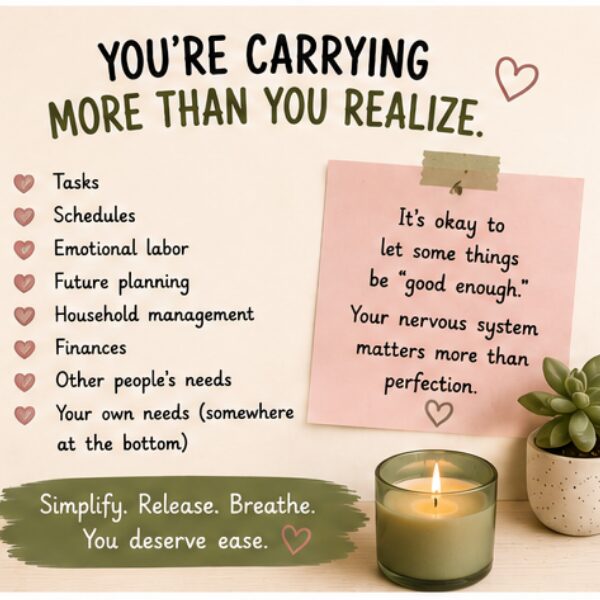
You Are Probably Carrying More Than You Realize
Seriously.
Take a moment and think about everything your brain tracks daily:
- responsibilities
- schedules
- emotional labor
- future planning
- household management
- finances
- communication
- errands
- obligations
- unfinished tasks
That is:
a LOT for one nervous system.
Especially in a world that constantly demands:
more attention,
more productivity,
more availability,
more optimization.
What You Need Isn’t More Pressure
Most overwhelmed adults do NOT need:
- more shame
- more hustle culture
- more productivity guilt
They need:
- softer systems
- emotional support
- reduced friction
- realistic expectations
- nervous system recovery
- breathing room
That matters more.
Final Thoughts
If your brain constantly feels:
- cluttered
- overstimulated
- mentally loud
- emotionally overloaded
- exhausted by tiny tasks
- incapable of “keeping up”
You are not failing adulthood.
Modern adulthood genuinely requires:
an overwhelming amount of mental energy.
And most people are carrying:
far more than they realize.
So here’s your reminder:
You are allowed to:
- use reminders
- simplify systems
- reduce decisions
- rest before burnout
- lower expectations sometimes
- create easier routines
- survive imperfectly
- ask for help
- not optimize every aspect of life
Because adulthood is not:
a competition to become the most productive exhausted human alive.
It’s about building a life your nervous system can realistically survive inside.
One tiny system at a time.
Related Survival Guides
- Why Does Every Adult Feel Exhausted All the Time?
- Tiny Systems That Save Mental Energy
- Emotional Support Systems Adults Secretly Need
- Beginner Adulting Skills Nobody Properly Explains
- Things Adults Pretend to Understand
- Why Modern Life Feels So Overwhelming
- The Invisible Emotional Labor of Adulthood
- Low-Energy Systems for Burned-Out Adults
- Tiny Habits That Reduce Mental Clutter
- Nobody Told Me Adulting Would Feel Like This
Helpful Survival Tools
Trying to reduce mental overload gently?
Explore:
- life admin planners
- mental load trackers
- reminder systems
- low-energy routines
- realistic planning tools
- burnout-friendly schedules
- visual organization systems
- simplified home systems
Because honestly?
Most adults don’t need:
more pressure.
They need:
less mental friction.