One of the strangest parts of modern adulthood is realizing:
your brain never fully feels:
quiet anymore.
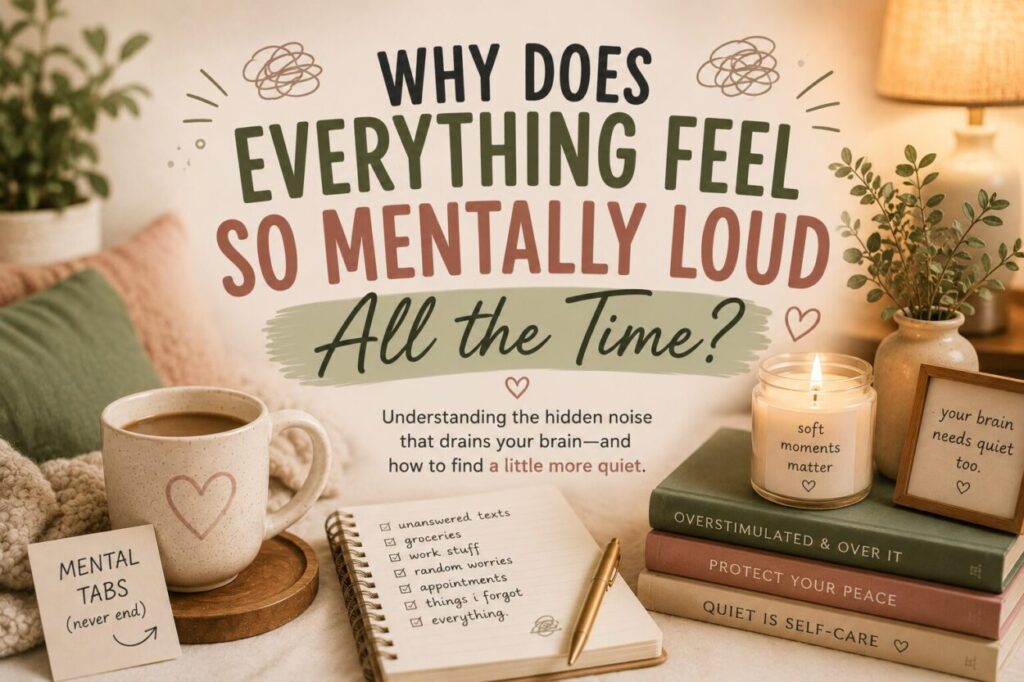
Even during:
“rest.”
You can technically be:
watching TV,
laying in bed,
scrolling your phone,
or drinking coffee…
while your brain simultaneously runs:
- unfinished tasks
- grocery reminders
- future worries
- random emails
- laundry tracking
- emotional buffering
- invisible life admin
- tiny mental tabs constantly 😭
And honestly?
A lot of adults quietly believe:
they’re bad at coping,
unfocused,
or “lazy.”
But modern life is genuinely:
mentally loud.
And human brains were never designed for:
this much constant input.
Modern Adults Rarely Mentally Log Off
This part matters deeply.
Because many adults are technically:
physically resting…
while mentally continuing to:
track,
remember,
plan,
monitor,
and emotionally process
everything simultaneously.
The Brain Keeps Running In The Background
Even during downtime,
many adults are mentally holding:
- appointments
- bills
- schedules
- texts they forgot to answer
- household maintenance
- emotional responsibilities
- grocery tracking
- work stress
- future planning
And eventually the brain starts feeling:
permanently “on.”
Which is exhausting.
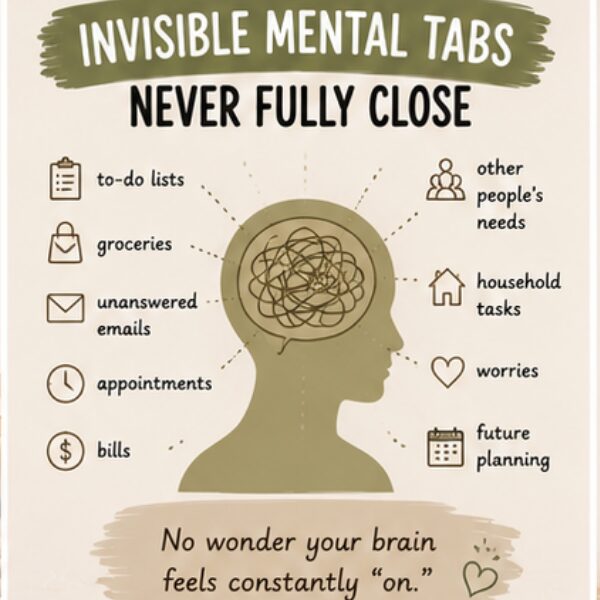
Invisible Mental Tabs Never Fully Close
A lot of adults quietly feel like:
their brains resemble:
47 browser tabs open simultaneously 😭
Because modern adulthood requires:
constant mental tracking.
Things like:
- remembering birthdays
- replacing household items
- planning meals
- scheduling appointments
- answering notifications
- tracking school forms
- emotional labor
- paperwork
- remembering tiny unfinished tasks forever
None feel:
huge individually.
Together?
They create:
constant cognitive noise.
Notification Exhaustion Is Real
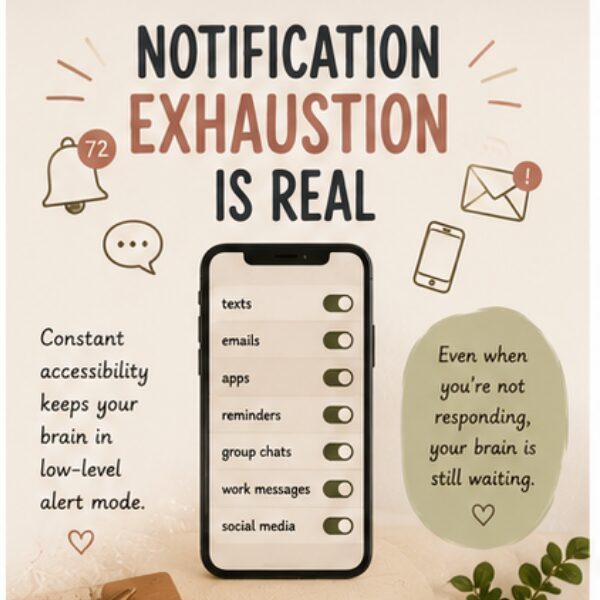
Modern adults are constantly reachable.
Texts.
Emails.
Slack notifications.
App reminders.
Social media alerts.
Calendar notifications.
Group chats.
Breaking news.
School apps.
Work messages.
The brain rarely gets:
true silence anymore.
Constant Accessibility Creates Mental Fatigue
Even when people are not actively responding,
their brains remain:
partially alert.
Waiting.
Monitoring.
Anticipating interruptions.
And honestly?
That low-level mental vigilance quietly drains people emotionally over time.
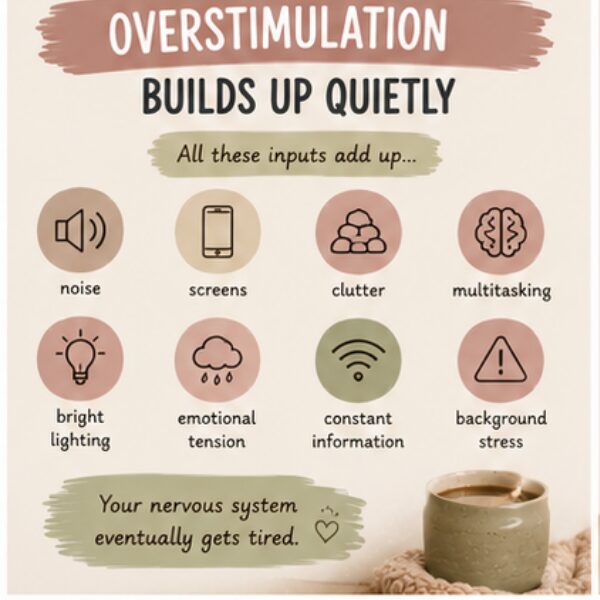
Overstimulation Builds Up Quietly
One of the hardest parts of modern adulthood is that:
overstimulation often happens gradually.
People absorb:
- noise
- clutter
- conversations
- screens
- multitasking
- bright lighting
- emotional tension
- background stress
- constant information
all day long.
The Nervous System Eventually Gets Tired
And when overstimulation builds long enough,
people often experience:
- irritability
- exhaustion
- emotional shutdown
- low motivation
- brain fog
- feeling emotionally “fried”
- needing silence desperately
That’s not weakness.
That’s overload.
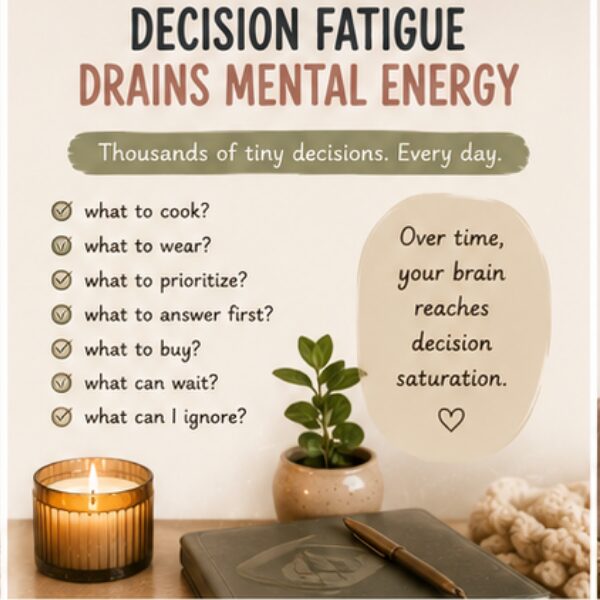
Decision Fatigue Is Quietly Exhausting Everyone
Modern adults make:
thousands of tiny decisions constantly.
What to cook.
What to answer first.
What to prioritize.
What to postpone.
What to buy.
What to remember.
What to ignore.
Even tiny decisions require:
mental processing.
Overloaded Brains Start Avoiding Decisions
This is one reason overwhelmed adults sometimes struggle with:
- choosing meals
- answering texts
- starting tasks
- making plans
- responding to emails
- organizing spaces
Eventually the brain reaches:
decision saturation.
And honestly?
That’s incredibly normal in modern life.
The Brain Rarely Gets Recovery Time
This part is important.
Because many adults spend:
every waking moment consuming:
- content
- information
- notifications
- conversations
- responsibilities
- stress
- stimulation
without ever giving the brain:
quiet recovery space.
Silence Feels Unfamiliar To Many Adults Now
Which is honestly kind of heartbreaking.
Because many people have become so accustomed to:
constant input
that genuine quiet sometimes feels:
uncomfortable initially.
Meanwhile nervous systems desperately need:
periods of reduced stimulation.
Mental Clutter Feels Physically Exhausting
A lot of adults assume:
mental exhaustion is “all in their head.”
But nervous system overload often creates:
very real physical exhaustion too.
People may experience:
- fatigue
- tension
- headaches
- emotional burnout
- low motivation
- overwhelm
- difficulty focusing
- exhaustion after simple tasks
Because the brain and body are deeply connected.
Emotional Processing Requires Energy
Even invisible stress drains energy.
Things like:
- anticipating responsibilities
- unresolved worries
- emotional masking
- social pressure
- constant planning
- unfinished tasks
all require:
mental resources.
And eventually the brain gets tired.
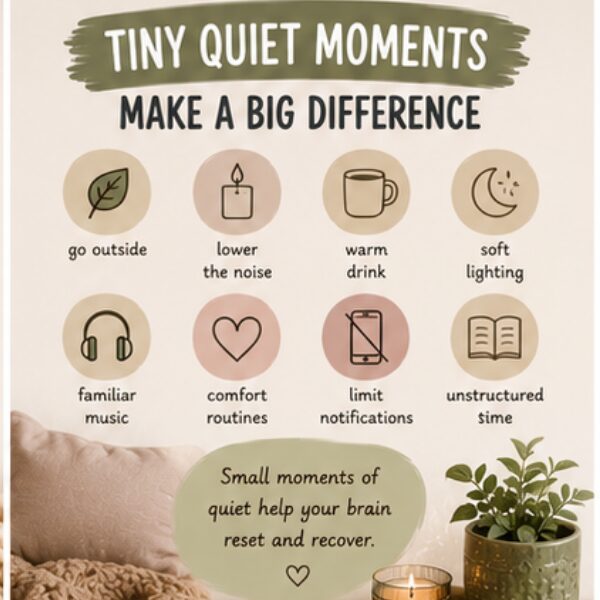
Tiny Quiet Moments Matter More Than People Realize
Modern adults often underestimate:
how powerful tiny moments of reduced stimulation can be.
Things like:
- sitting quietly
- softer lighting
- lowering noise
- going outside
- limiting notifications
- comfort routines
- calm environments
- familiar music
- low-stimulation evenings
can genuinely help overloaded nervous systems recover slightly.
Tiny Relief Still Helps
Adults often believe:
stress relief must be:
dramatic,
perfect,
or highly optimized.
But honestly?
Tiny quiet moments matter too.
Especially during:
mentally loud seasons.
You Are Probably More Overstimulated Than Lazy
This part matters deeply.
Because many adults shame themselves for:
- low motivation
- needing rest
- feeling mentally exhausted
- struggling to focus
- wanting quiet
- emotional shutdown
without recognizing:
their brains are already overloaded.
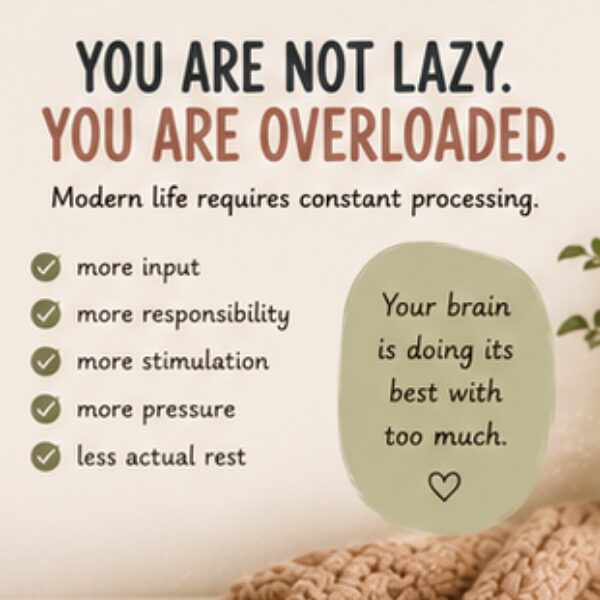
Modern Life Requires Constant Processing
And humans were not originally designed for:
continuous notifications,
constant accessibility,
endless multitasking,
and nonstop information streams.
No wonder adults feel:
mentally exhausted sometimes.
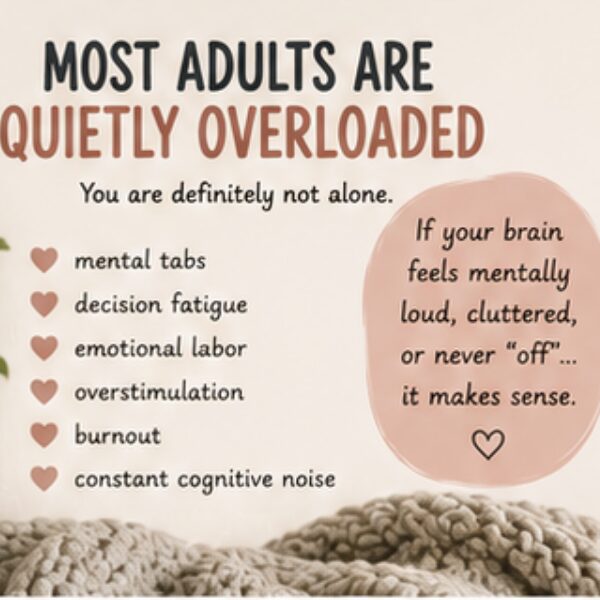
Most Adults Are Quietly Overloaded
Honestly?
A surprising number of adults are:
functioning while carrying:
- invisible mental tabs
- decision fatigue
- emotional labor
- overstimulation
- burnout
- background stress
- constant cognitive noise
all at the same time.
Which means:
if your brain feels:
mentally loud,
emotionally cluttered,
or permanently “on” lately…
you are definitely not alone.
Final Thoughts
Modern adulthood often feels mentally loud because:
people are processing:
far more input,
responsibility,
and stimulation
than human nervous systems were originally built for.
That does NOT mean:
you are weak,
broken,
or failing adulthood.
It means:
your brain is overloaded.
And honestly?
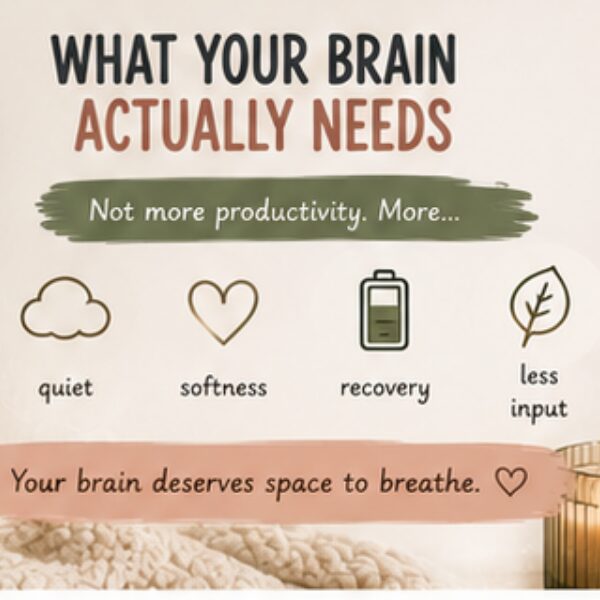
Many adults desperately need:
more quiet,
more softness,
more recovery,
and less constant mental input.
So if your brain currently feels like:
47 tabs open simultaneously 😭
please know this:
A surprising number of adults are quietly trying to survive modern life while mentally buffering through constant overstimulation too.