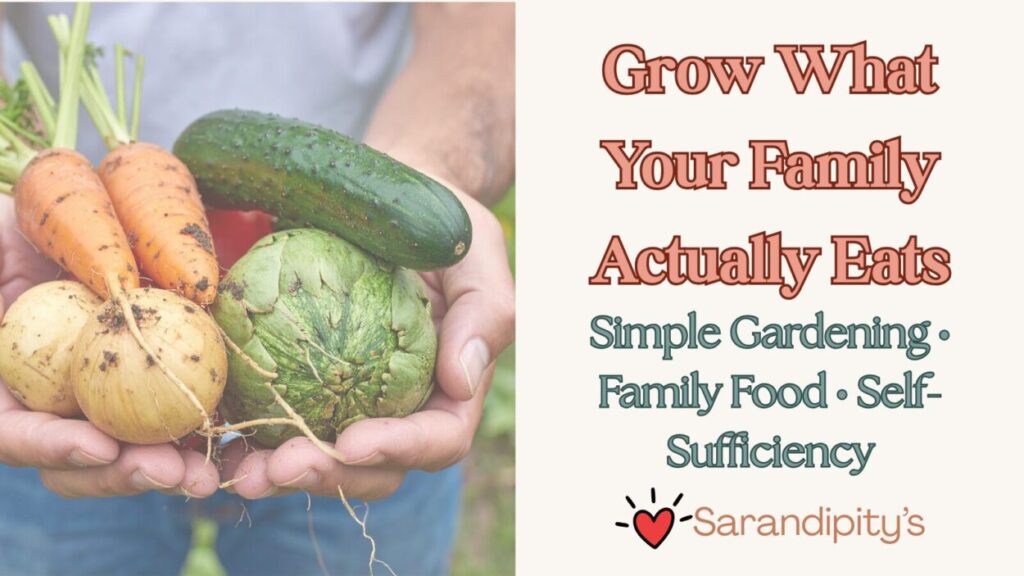
One of the biggest mistakes new gardeners make is growing vegetables nobody actually wants to eat.
The seed catalogs are beautiful.
The gardening videos are inspiring.
The possibilities feel endless.
And before long, people find themselves growing unusual vegetables their family has never requested, never purchased, and has no interest in eating.
Meanwhile, they’re still buying tomatoes, lettuce, herbs, and peppers at the grocery store.
If your goal is saving money, simplifying life, and making homegrown food part of your everyday routine, there’s a much better approach:
Grow what your family already eats.
Many families are looking for practical ways to reduce grocery costs while building more food security at home.
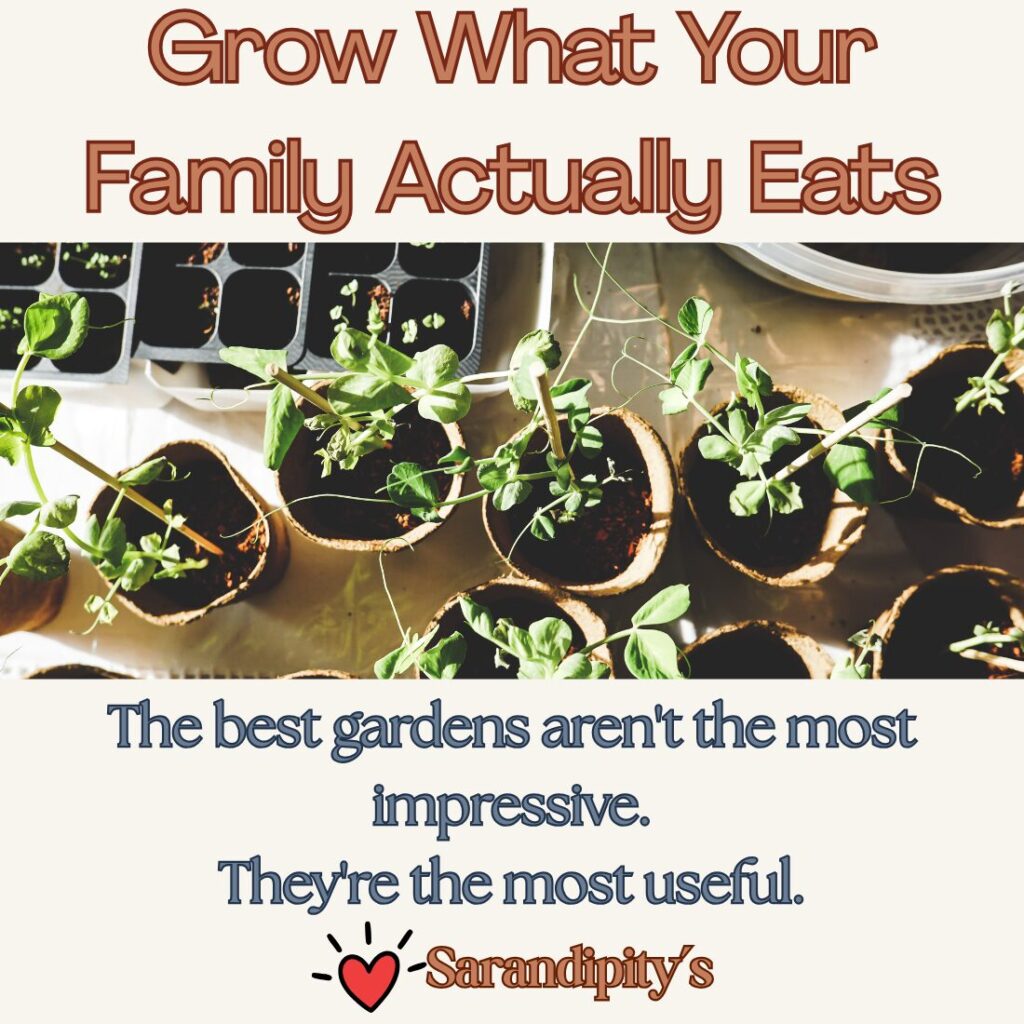
Start With Your Grocery Cart
Before buying seeds, take a look at your grocery receipts.
What produce do you buy repeatedly?
Every week.
Every month.
Every season.
Those items should become your first gardening candidates.
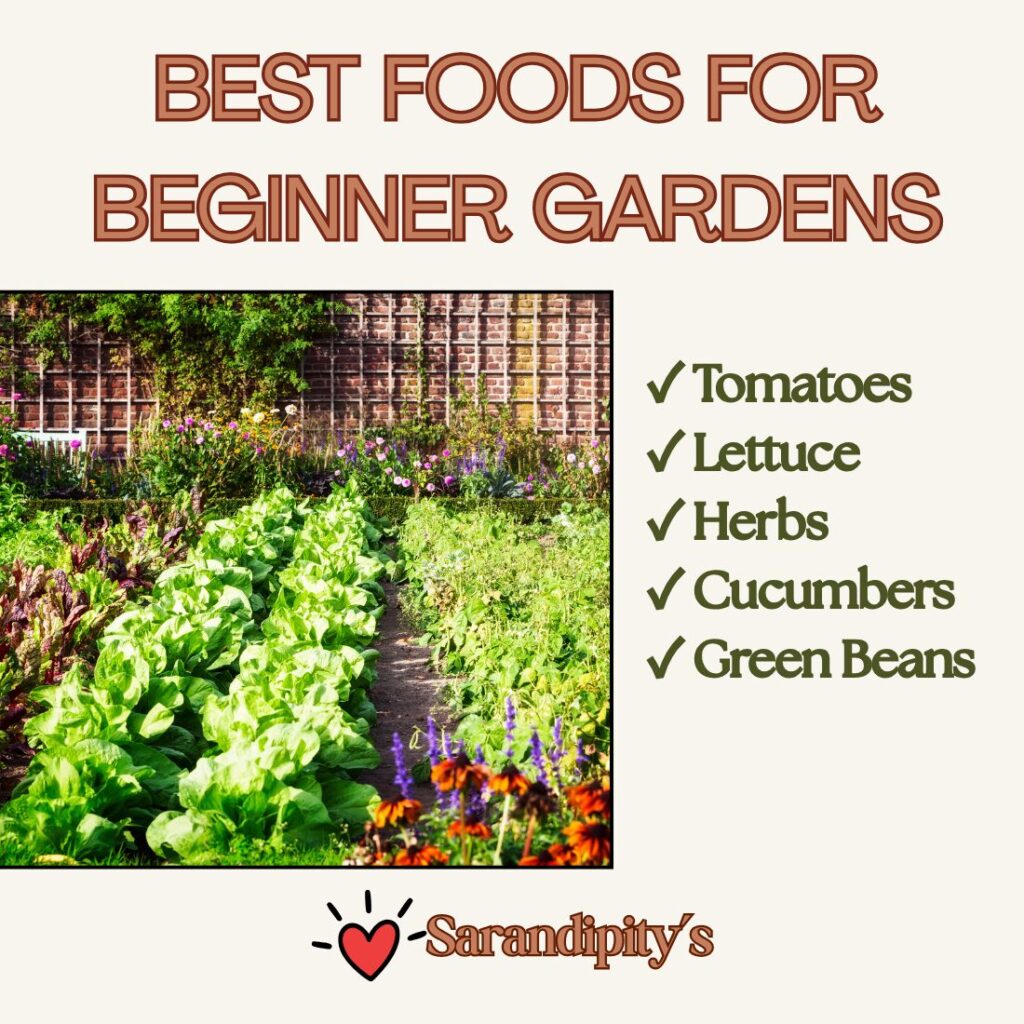
For many families, that might include:
- tomatoes
- lettuce
- cucumbers
- peppers
- green beans
- herbs
- strawberries
These are foods you’re already using.
Which means they’ll actually get eaten.
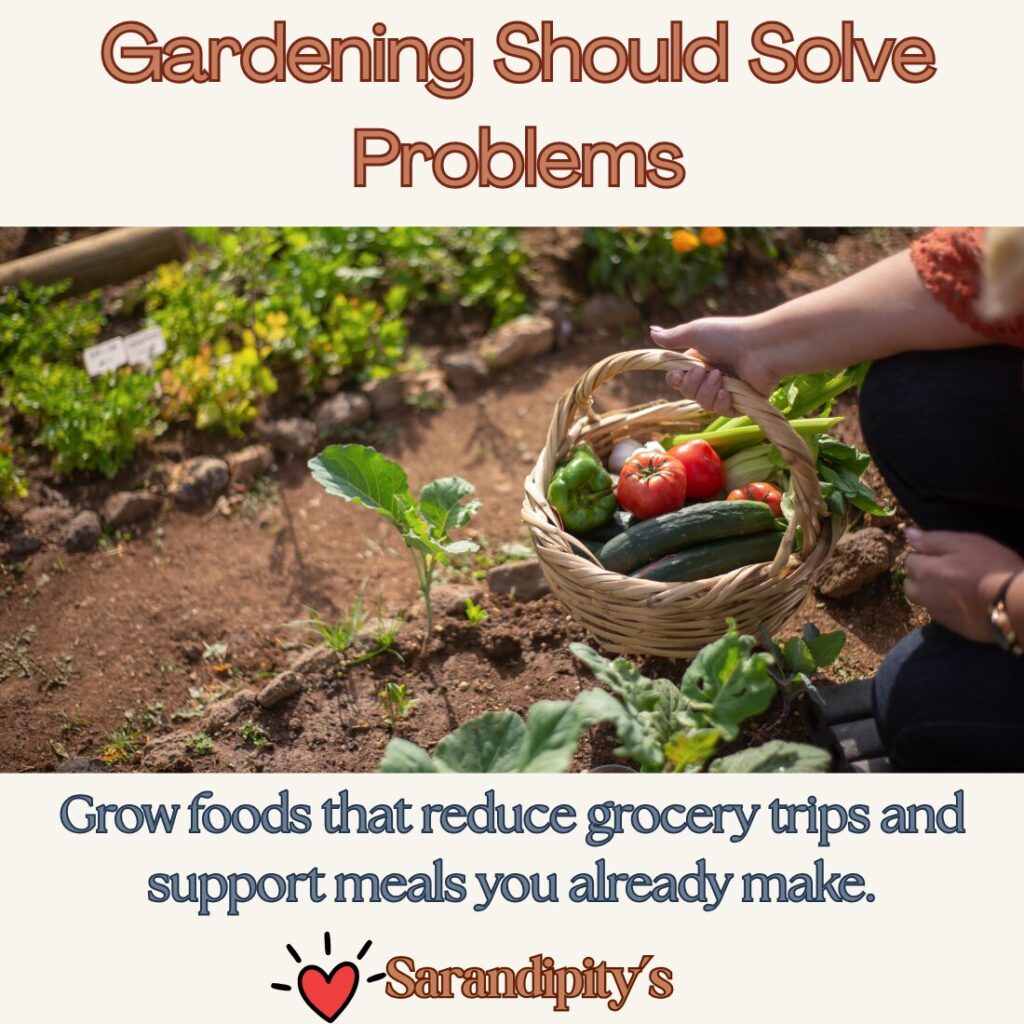
Gardening Should Solve Problems
Many people accidentally create more work for themselves.
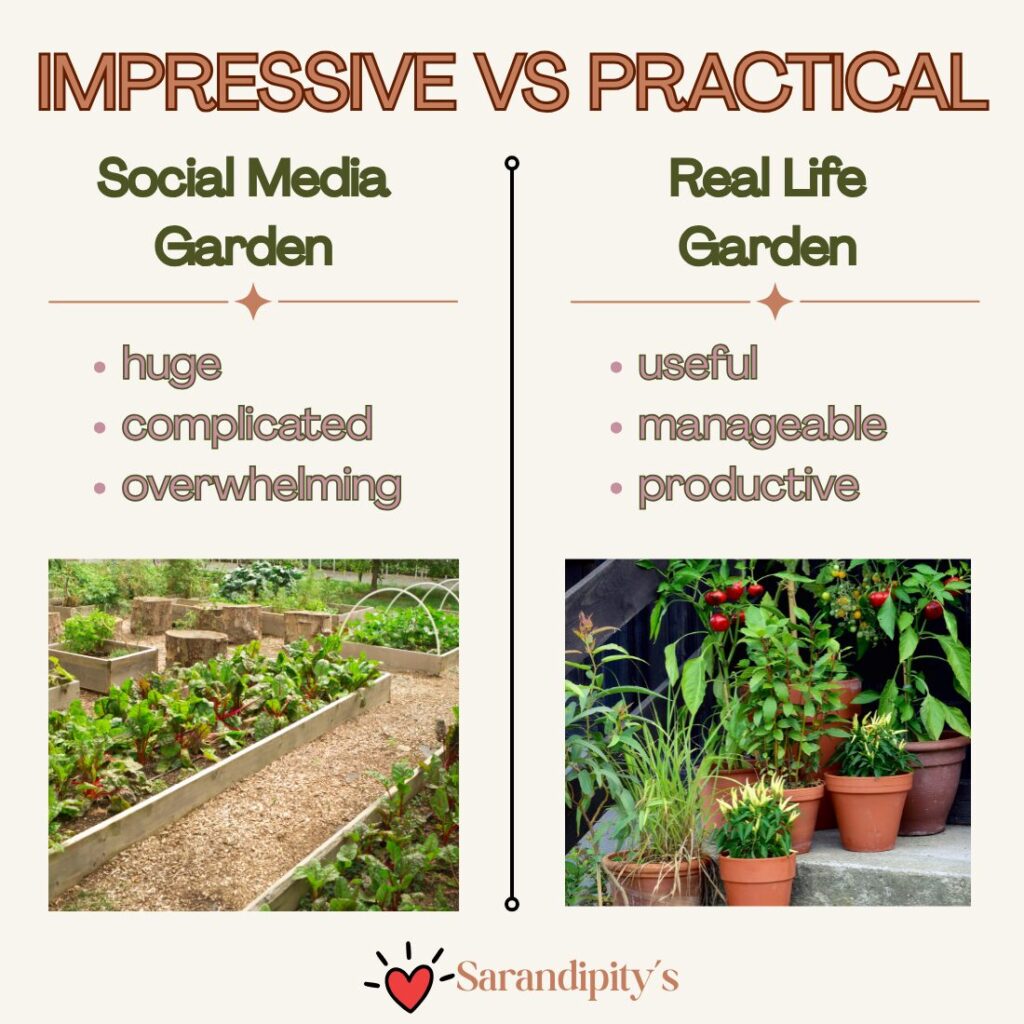
The goal isn’t growing the most impressive garden.
The goal is making life easier.
A small herb garden that saves weekly grocery trips can be more valuable than a massive garden that becomes overwhelming.
Think practical first.
Impressive second.
The most successful systems are usually the ones that make everyday life easier, not more complicated.
Herbs Offer The Best Return On Effort
If you’re new to growing food, start with herbs.
They’re:
- easy to grow
- useful in cooking
- expensive at the store
- suitable for containers
Consider growing:
- basil
- parsley
- chives
- oregano
- thyme
- mint
A few pots can dramatically improve meals while reducing grocery costs.
Grow Ingredients For Meals You Already Make
This is where meal planning and gardening work together beautifully.
Think about your family’s favorite meals.
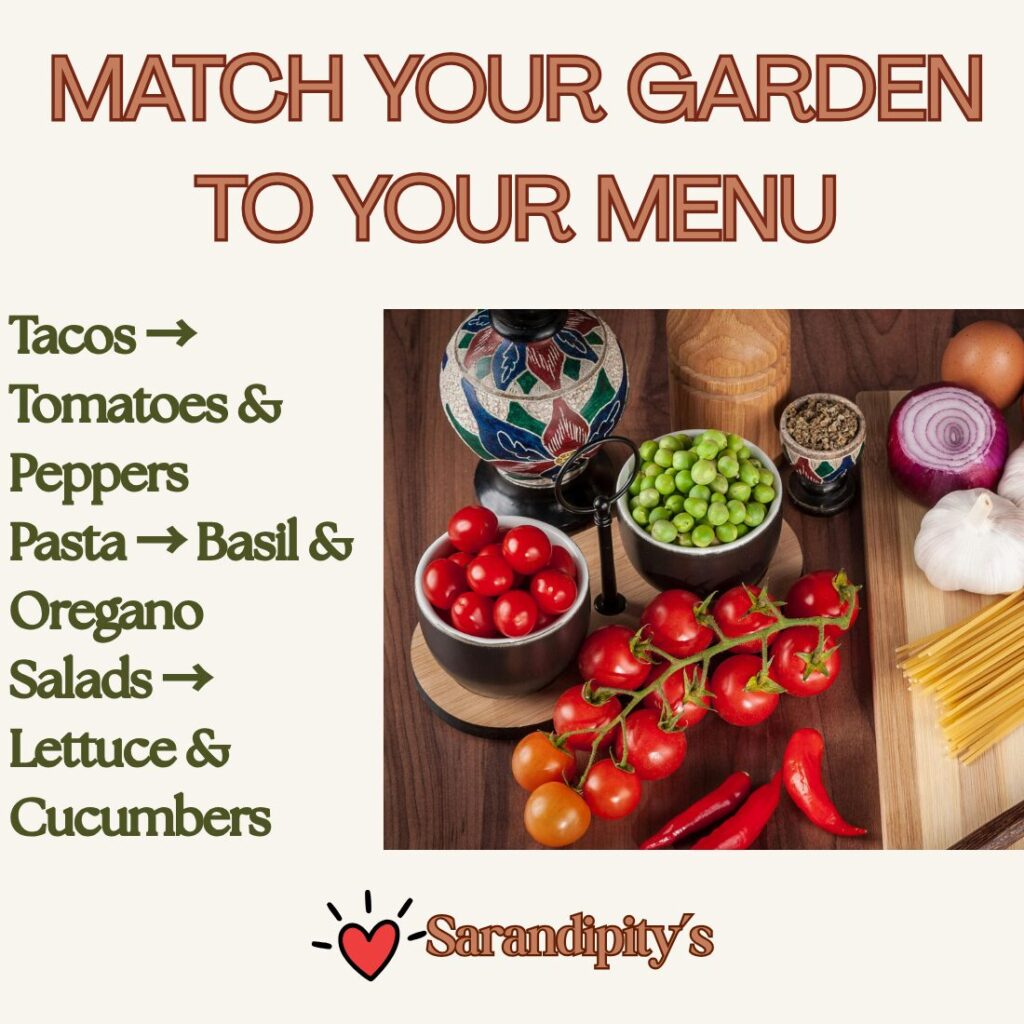
If your family loves tacos, consider growing:
- tomatoes
- peppers
- cilantro
If your family loves pasta, consider growing:
- basil
- oregano
- parsley
If your family eats lots of salads, consider growing:
- lettuce
- cucumbers
- herbs
The closer your garden aligns with your menu, the more useful it becomes.
Want help planning meals around seasonal ingredients?
Inside the Meal Management Membership you’ll get:
✔ Done-for-you meal plans
✔ Grocery lists
✔ Seasonal produce guides
✔ Prep schedules
✔ Family-friendly recipes
Designed to help you use what you grow while reducing stress in the kitchen.
Subscribe to the Mealtime Monthly Membership
Small Gardens Often Win
Social media loves giant gardens.
Real life often prefers manageable ones.
A small, productive garden is easier to:
- maintain
- harvest
- use
- enjoy
You don’t need a backyard farm to benefit from growing food.
Sometimes a few containers on a patio are enough.
Many people assume homesteading requires acres of land, but small practical projects often have the biggest impact.
Gardening Teaches Patience
Modern life moves quickly.
Gardening doesn’t.
Seeds take time.
Plants take time.
Harvests take time.
And honestly?
That’s part of the appeal.
Growing food reconnects us with the reality that good things often require patience.
Kids Learn Valuable Skills Too
Gardening isn’t just about food.
It’s also an opportunity to teach:
- responsibility
- patience
- observation
- problem-solving
Children are often more interested in eating vegetables they helped grow.
That’s a bonus many parents appreciate.
Practical life skills often build confidence that carries into adulthood.
Homegrown Doesn’t Have To Be Perfect
Your tomatoes may not be perfectly round.
The lettuce might have holes.
The herbs may grow unevenly.
That’s okay.
The goal isn’t perfection.
The goal is participation.
Every tomato you grow is one less tomato you need to buy.
Many families are discovering that homemade and homegrown don’t need to be perfect to be valuable.
Growing Food Creates Confidence
There’s something deeply satisfying about producing even a small amount of your own food.
Not because you’re trying to become completely self-sufficient.
Because you’re proving to yourself that you can.
That confidence often spreads into other areas of life.
Learning practical skills creates options when budgets get tight or circumstances change.
Final Thoughts
If you’re thinking about starting a garden, don’t begin with what looks impressive.
Begin with what your family actually eats.
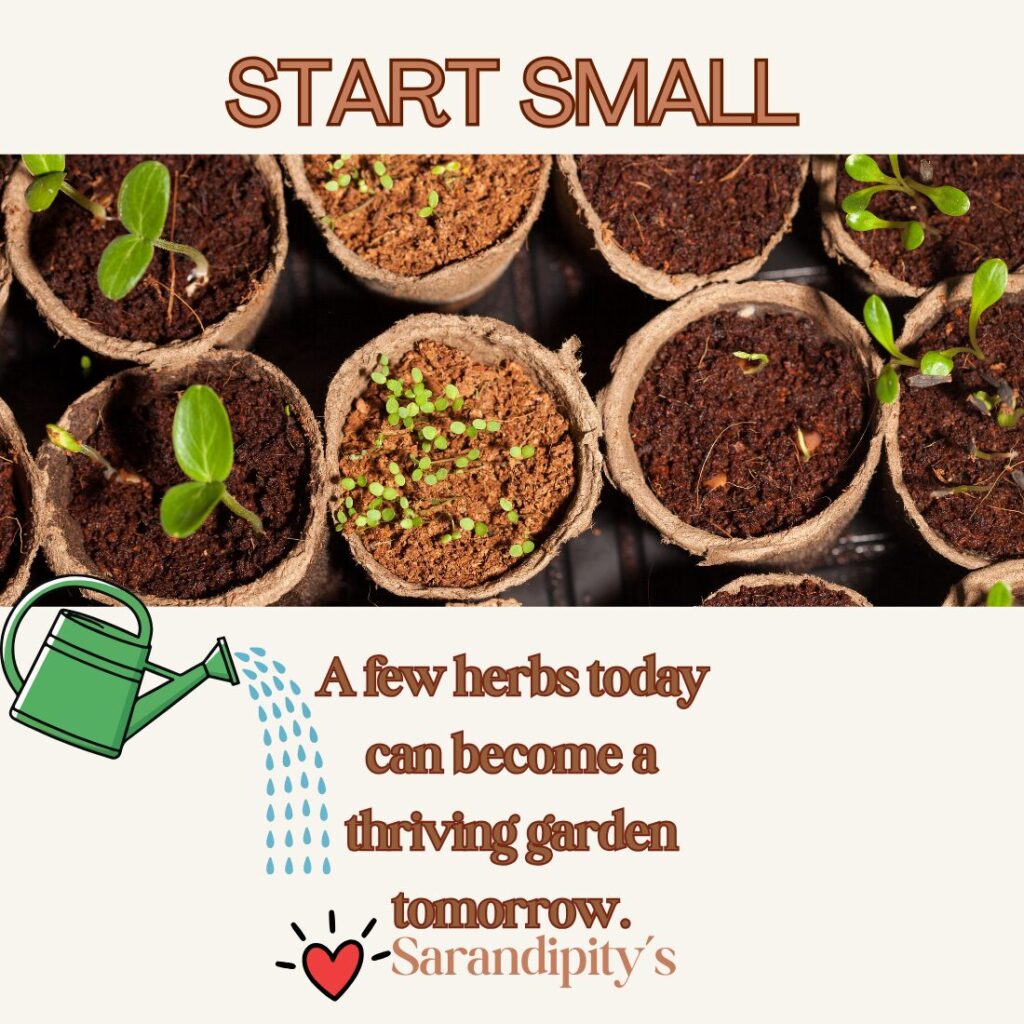
Start small.
Keep it practical.
Focus on foods you’ll genuinely use.
Because the most successful gardens aren’t the ones that look the best on social media.
They’re the ones that make everyday life a little easier.
Growing even a small amount of your own food is one way to create more flexibility, confidence, and resilience at home.