One of the most exhausting parts of adulthood isn’t the cooking.
It’s deciding what to cook.
Every.
Single.
Day.
Most people don’t realize how much mental energy gets spent answering the same questions repeatedly:
What’s for dinner?
Do we have ingredients?
What needs used up first?
What can I make quickly?
Will anyone actually eat this?
Do I need to stop at the store again?
By the time dinner arrives, many adults aren’t tired of cooking.
They’re tired of deciding.
And honestly?
That’s where meal planning becomes less about food and more about protecting your mental energy.
Many adults are already carrying more mental tabs than they realize before dinner even enters the conversation.
Decision Fatigue Is Real
Modern adults make thousands of decisions every day.
Work decisions.
Parenting decisions.
Financial decisions.
Household decisions.
Schedule decisions.
Life decisions.
Eventually the brain gets tired.
That’s why figuring out dinner at 5:30 PM often feels far more stressful than it should.
The problem usually isn’t the meal itself.
Decision fatigue often builds from dozens of small responsibilities rather than one major problem.
The problem is that your brain has already spent an entire day making decisions.

Dinner Happens Every Day Whether We’re Ready Or Not
One of the frustrating things about feeding a family is that it never stays finished.
You cook dinner.
Everyone eats.
And then somehow tomorrow requires another dinner.
The cycle never ends.
Which means meal planning isn’t solving a one-time problem.
It’s creating a system for an ongoing responsibility.
Many adults feel perpetually behind because responsibilities like feeding a family are never truly finished.
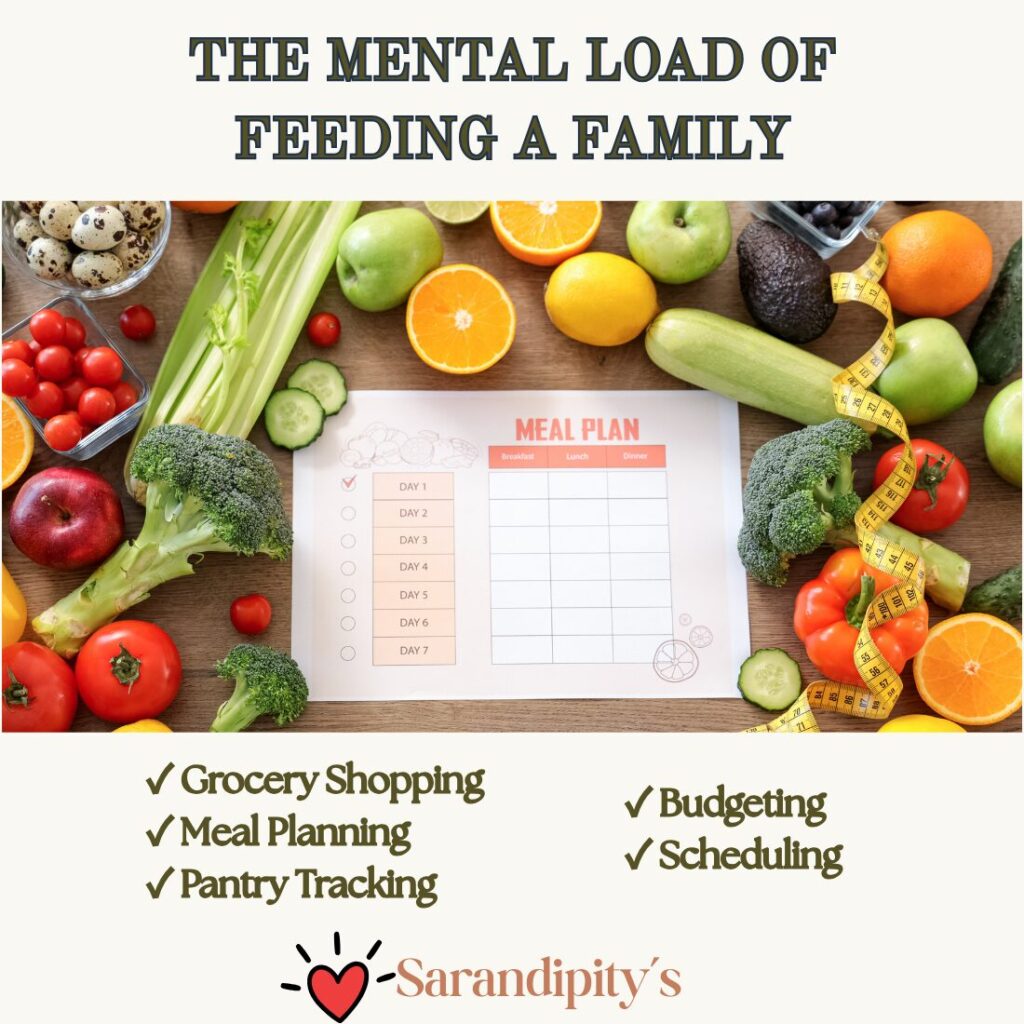
The Mental Load Of Feeding A Family
Cooking is only one piece of the puzzle.
There’s also:
- grocery shopping
- pantry tracking
- remembering family preferences
- checking expiration dates
- budgeting
- planning leftovers
- monitoring special diets
- coordinating schedules
A surprising amount of meal management happens long before anyone turns on the stove.
That’s why feeding a family often feels more exhausting than people expect.
Why Meal Planning Feels Like Self-Care
Most people think of self-care as:
- bubble baths
- candles
- quiet evenings
- relaxation
But honestly?
Reducing unnecessary stress is also self-care.
Small systems that reduce daily stress can have a surprisingly positive impact on overall well-being.
And few things reduce daily stress faster than knowing what dinner is before the day begins.
Meal planning removes uncertainty.
It removes last-minute panic.
It removes unnecessary decision-making.
And that creates space for everything else.

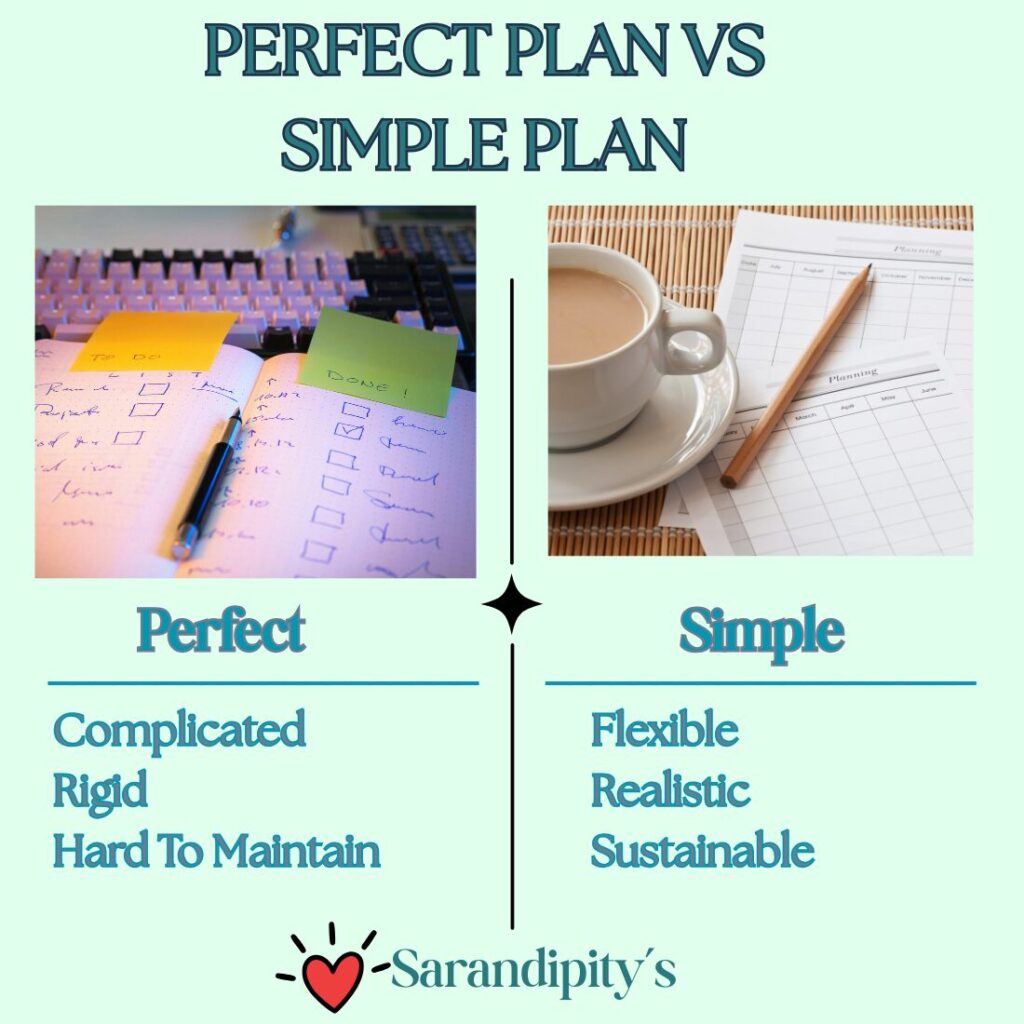
Simple Plans Work Better Than Perfect Plans
One reason many meal plans fail is because they’re too complicated.
People create:
- elaborate schedules
- complicated recipes
- unrealistic expectations
Then life happens.
The best meal plans are usually simple.
Theme nights.
Favorite meals.
Easy backups.
Flexible options.
A plan that works imperfectly is far more valuable than a perfect plan nobody follows.
The most successful systems are often the ones flexible enough to survive real life.
Tired of figuring out what’s for dinner every day?
Inside the Meal Management Membership you’ll get:
✔ Done-for-you meal plans
✔ Grocery lists
✔ Pantry checklists
✔ Seasonal meal rotations
✔ Prep schedules
✔ Family-friendly meal ideas
Designed to reduce stress, save time, and make feeding your family feel easier.
Meal Planning Saves More Than Time
People often focus on the time savings.
But meal planning also saves:
- mental energy
- money
- grocery trips
- food waste
- frustration
- decision fatigue
The benefits reach far beyond the kitchen.
Planning meals in advance can also help families reduce waste and stretch grocery budgets more effectively.
The Family Doesn’t Need Gourmet Every Night
This reminder matters.
A lot.
Your family does not need:
- restaurant-quality meals
- complicated recipes
- Pinterest-worthy dinners
Most families simply need:
- consistent meals
- realistic expectations
- food everyone will eat
- systems that are sustainable
Busy seasons often require simpler expectations and more realistic meal solutions.
Sometimes tacos, spaghetti, sandwiches, and leftovers are exactly what a busy week needs.
Meal Planning Creates Breathing Room
The goal isn’t perfection.
The goal is reducing the number of decisions your future self has to make.
Every decision made during planning is one less decision waiting for you during a stressful week.
And those small reductions add up quickly.
Reducing daily decisions becomes even more valuable during overwhelming seasons.
Especially during busy seasons.
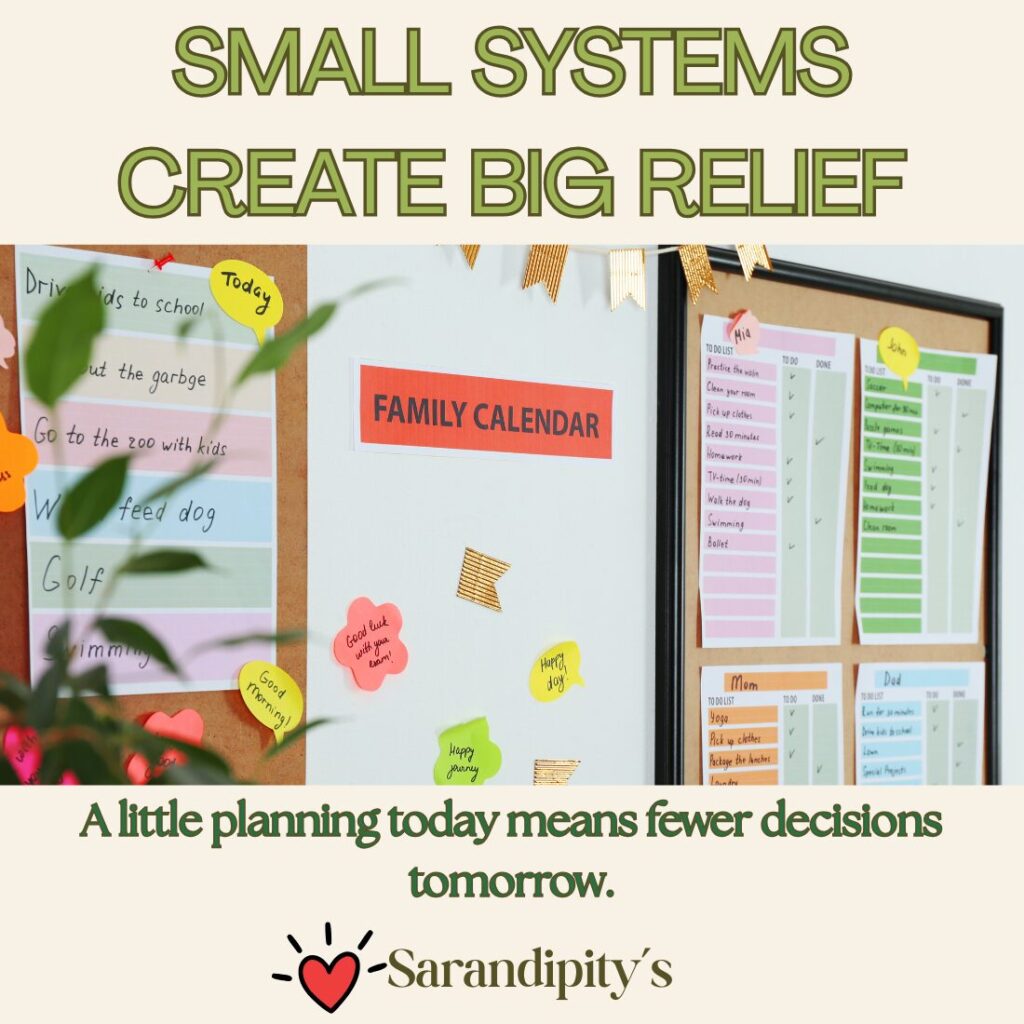
Small Systems Create Big Relief
One of the biggest lessons adulthood teaches is that tiny systems often solve bigger problems.
Sometimes feeling more in control isn’t about doing more—it’s about creating systems that reduce unnecessary stress.
Meal planning isn’t magical.
It won’t eliminate stress.
It won’t solve every problem.
But it can remove one daily source of uncertainty.
And honestly?
Sometimes that’s enough.
Final Thoughts
Meal planning isn’t really about food.
It’s about reducing mental clutter.
Many adults underestimate how much mental noise comes from repeated everyday decisions.
It’s about creating systems that make everyday life feel a little easier.
It’s about protecting your energy from unnecessary decisions.
And in a world where many adults already feel overwhelmed, mentally overloaded, and stretched too thin, that kind of relief matters.
Because sometimes the most helpful thing we can do for ourselves isn’t adding another task.
It’s making one existing task simpler.